
Digitay3D: Inclusive Digital Skills Training and Digital Twins
Tay Cities Region Deal Digital Skills Project
April 2025, Tay Cities Region
Digitay3D was a twelve month digital skills research and development project led by 3DNovations across the Tay Cities Region from April 2024 to April 2025.
The project explored how immersive technology, data visualisation, digital twins and collaborative virtual environments could be used to develop practical digital skills while creating accessible learning opportunities for younger people, neurodivergent learners, community members and staff from local third sector organisations.
Digitay3D was funded through the Tay Cities Region Deal Digital Skills Project Third Sector Challenge Fund, administered by Fife Council. The project received funding to develop customised training, a virtual learning environment, mentoring and community based learning activities. 3DNovations led the project alongside partners including Autus, Birnam Arts, Dunkeld Community Archive and Perth Autism Support.
The challenge
Advanced digital skills can create new employment and development opportunities, but routes into these skills are not equally accessible to everyone.
Digitay3D was developed in response to gaps in data visualisation and digital economy skills within the Tay Cities Region, with particular attention to people who might face barriers to conventional technical training.
The project sought to create a learning environment in which participants could develop technical ability alongside confidence, communication, teamwork and experience of working with others remotely.
This meant going beyond classroom based instruction.
Participants were given opportunities to work with virtual environments, local organisations and real project requirements, allowing technical learning to be connected with practical experience.
An inclusive learning model
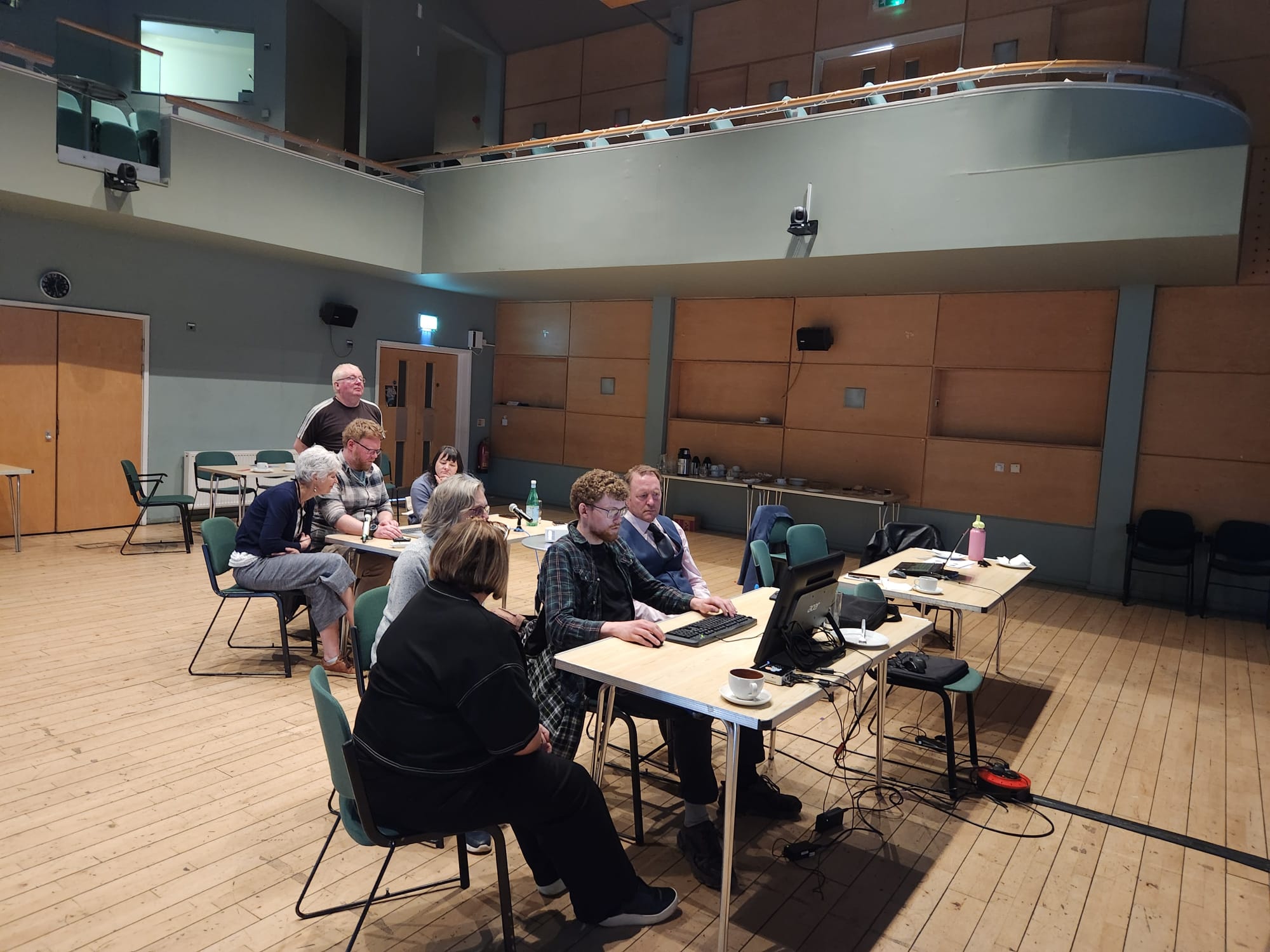
Digitay3D was designed around a mixture of individual support, collaborative learning, remote activity and community based sessions.
The programme aimed to support several groups.
Neurodivergent participants were offered accessible and adaptable learning within a supportive environment.
Local community members could explore immersive digital technologies and develop confidence using unfamiliar tools.
Staff from partner organisations received opportunities to develop their own understanding of digital technologies and consider how these could be used within their organisations.
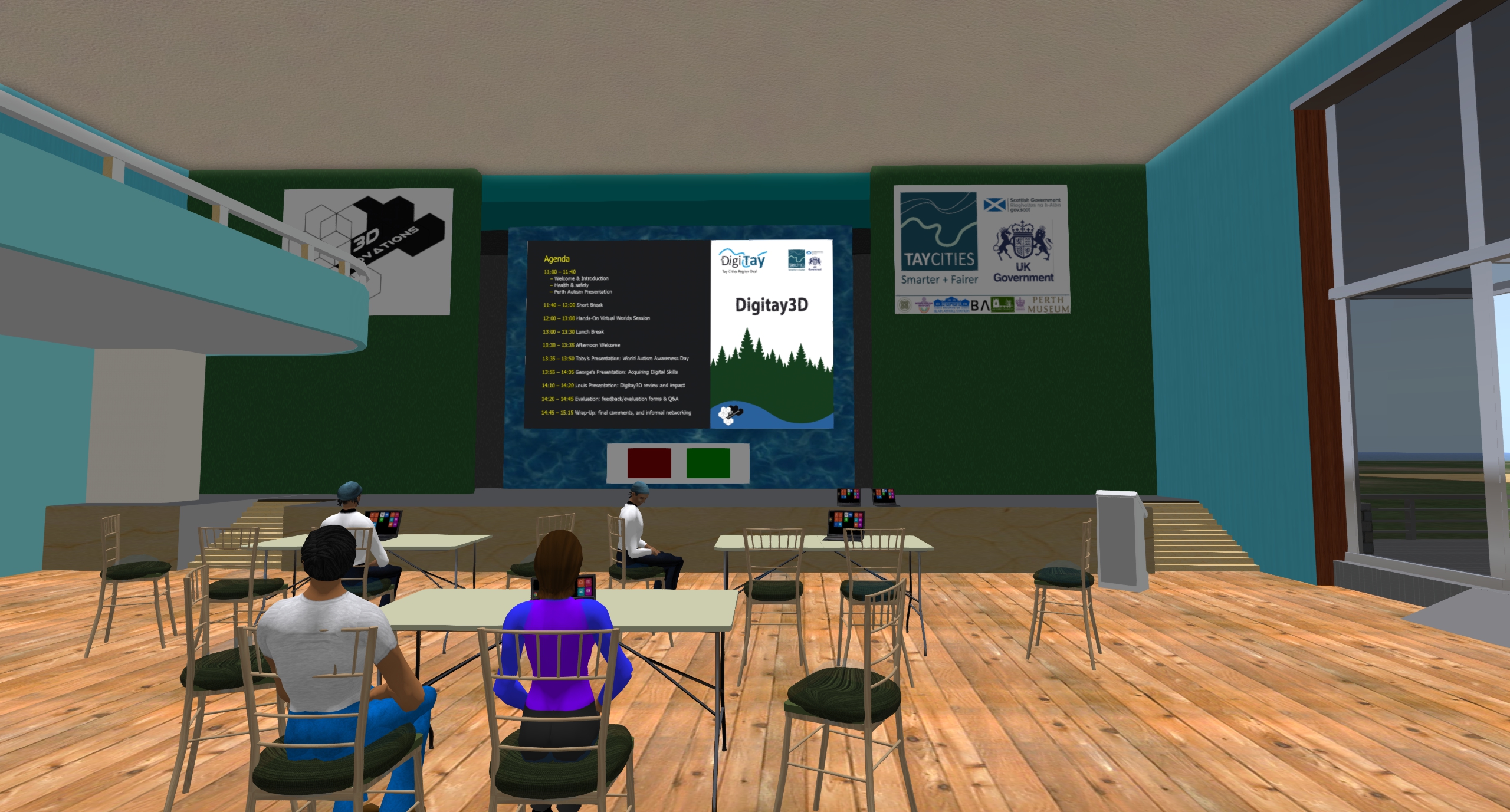
Participants also gained experience of distributed working, including completing tasks asynchronously and collaborating with people who were not always in the same physical location.
The project ultimately trained 25 participants, including six neurodivergent learners and 15 staff members from partner organisations. Women represented 44 per cent of participants.
Learning through real projects
A central feature of Digitay3D was that participants were not restricted to artificial training exercises.
Learners were given structured opportunities to apply their skills through small projects connected with local organisations.
These activities included creating digital visualisations and digital twins for partner venues, working within distributed teams, using collaborative technologies, setting up accounts and authentication, troubleshooting hardware and software issues and adapting when network conditions were unreliable.
This gave learners experience of the less visible aspects of digital work as well as the creative and technical tasks themselves.
Working collaboratively, dealing with technical problems and completing tasks for other organisations were treated as part of the learning experience.
Innovative Digital Twin Outputs
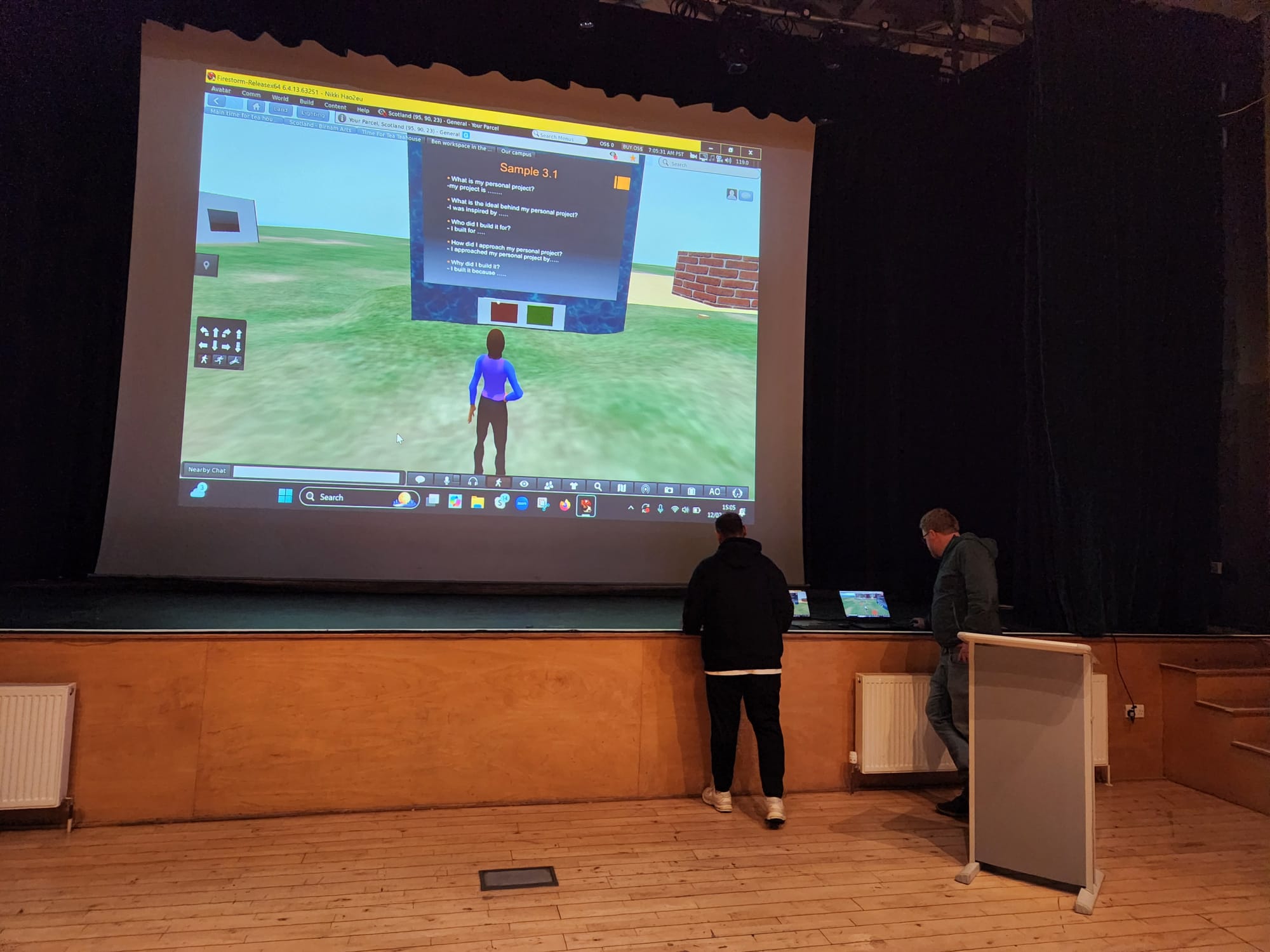
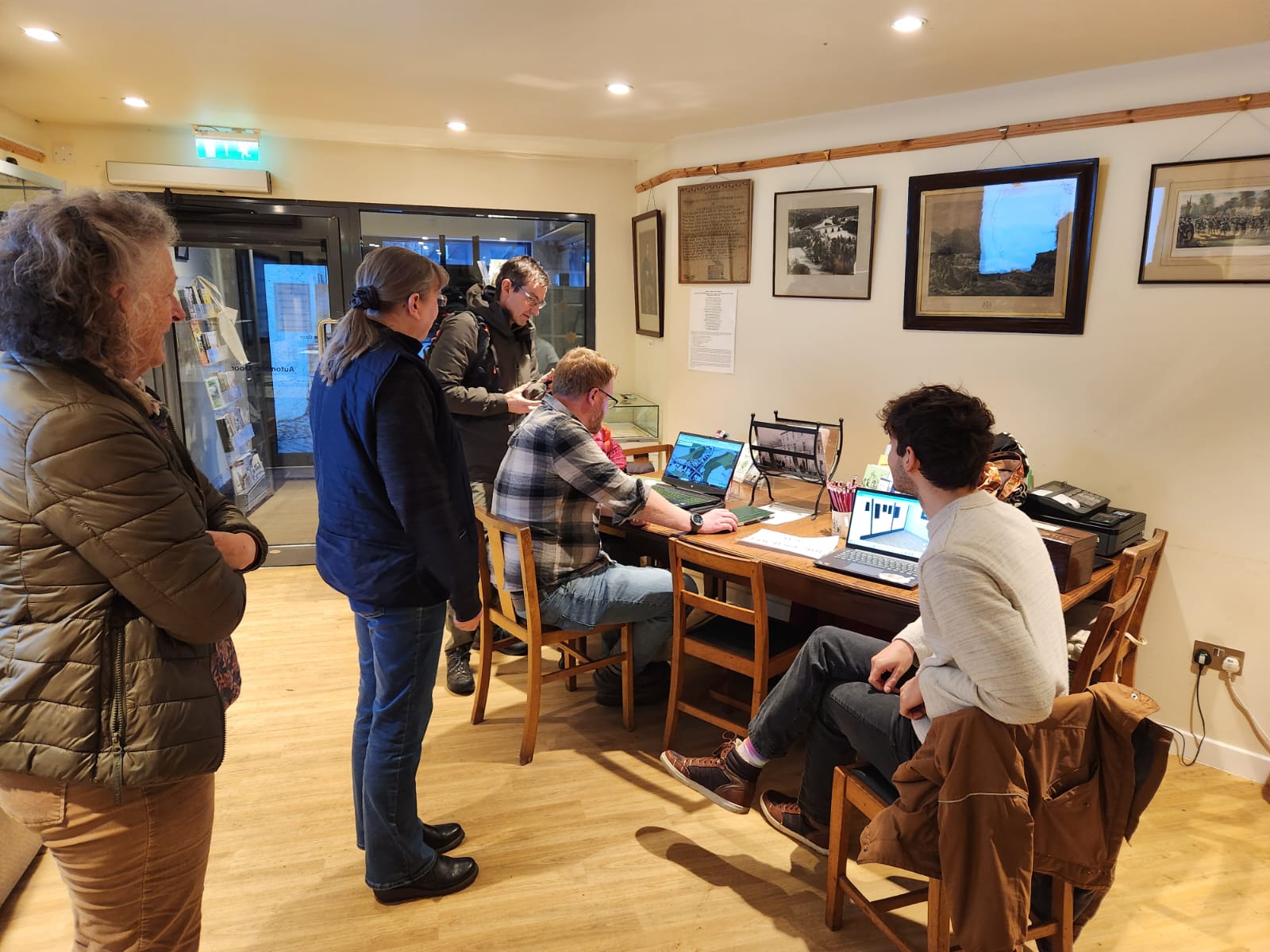
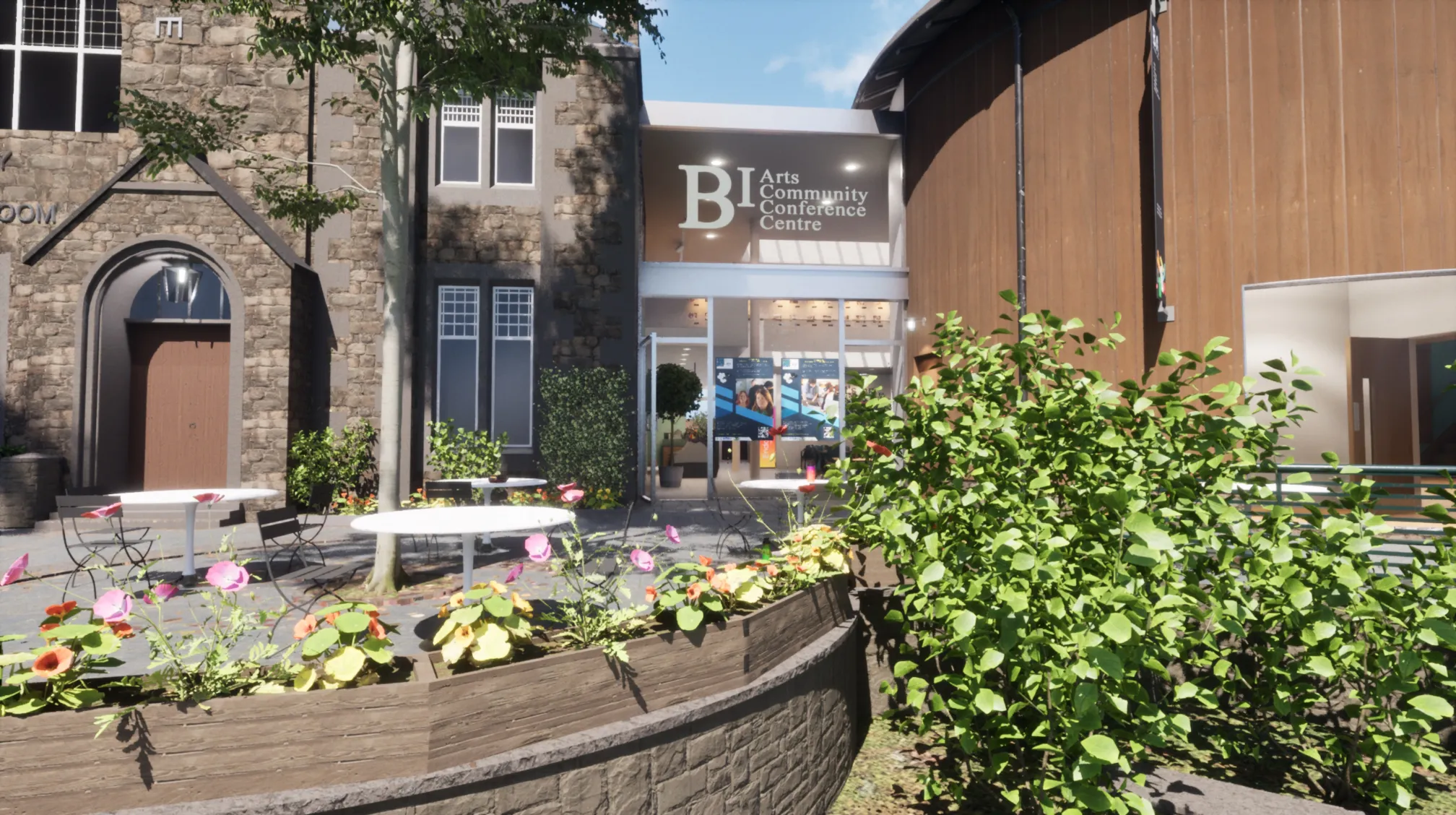
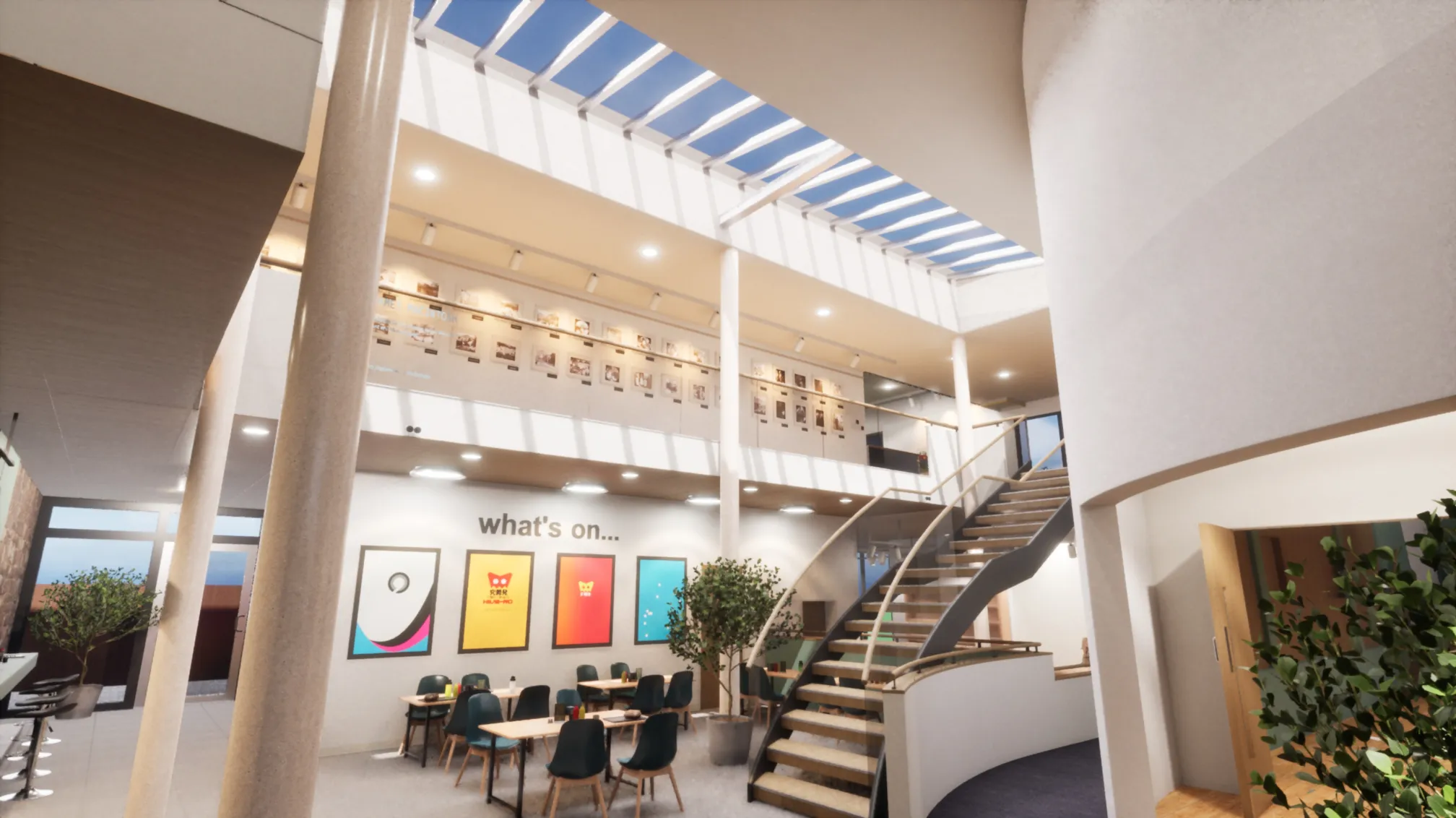
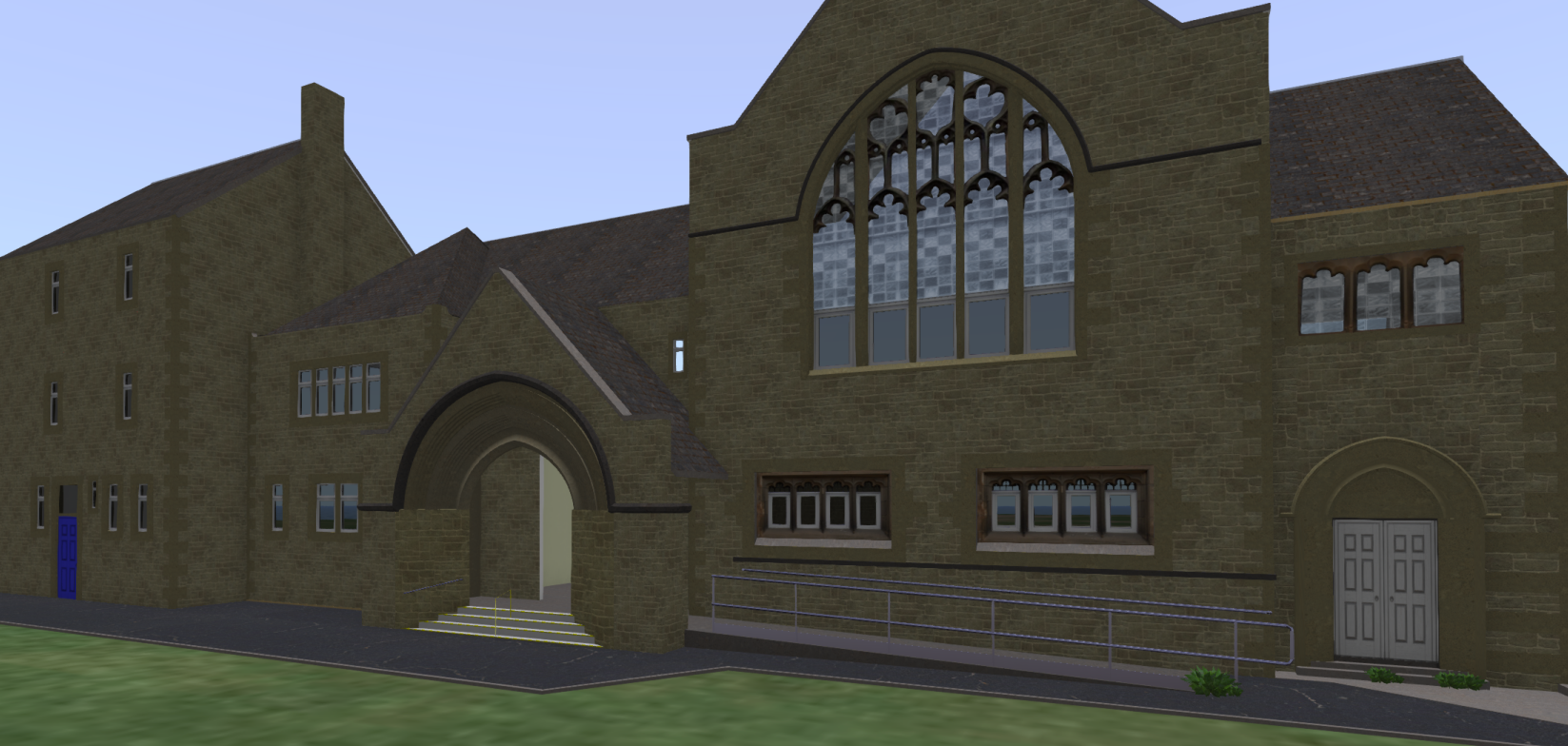
- Dunkeld Archive Digital Twin: An interactive, perpetual 3D archive that enables virtual tours, dynamic updates, and visualisation of different room layouts for exhibitions or space planning.
- Perth Autism Experience: This digital twin enhances event previews by offering virtual walk-throughs that ease anxiety and improve accessibility for all participants.
- Birnam Arts 3D Model: A high-resolution model that aids strategic planning and the reconfiguration of space for community venues, with promising applications such as adaptive local library layouts.
‘Working on this project has opened our eyes to different opportunities that technology can be used for to assist our young people to access PAS. Having the opportunity to be talked through the virtual world has also presented us with possibilities for our young people in terms of work experience. Looking forward to working together in the future & referring our young people for work experience.’

Developing broader digital capability
Although immersive environments and digital twins were prominent parts of the project, the learning extended beyond 3D modelling.
Participants developed experience in areas including data visualisation, digital project management, collaborative technologies, virtual worlds, basic cybersecurity and distributed team working.
The programme also placed emphasis on broader professional skills.
Learners had opportunities to practise teamwork, communication, problem solving and digital leadership while contributing to project activities. Several participants created portfolio material from their work, including interactive 3D data and digital twins.
Community showcases
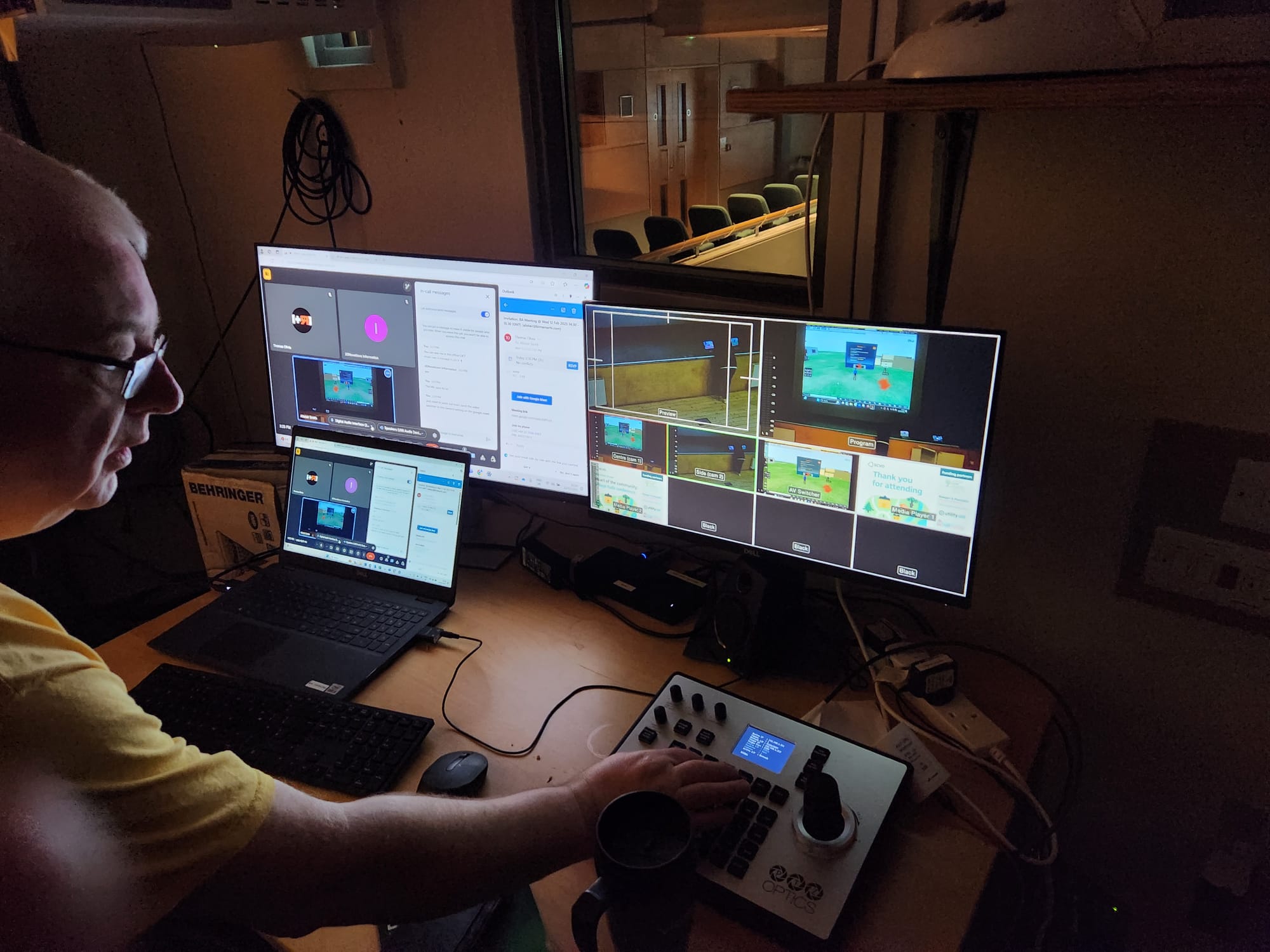
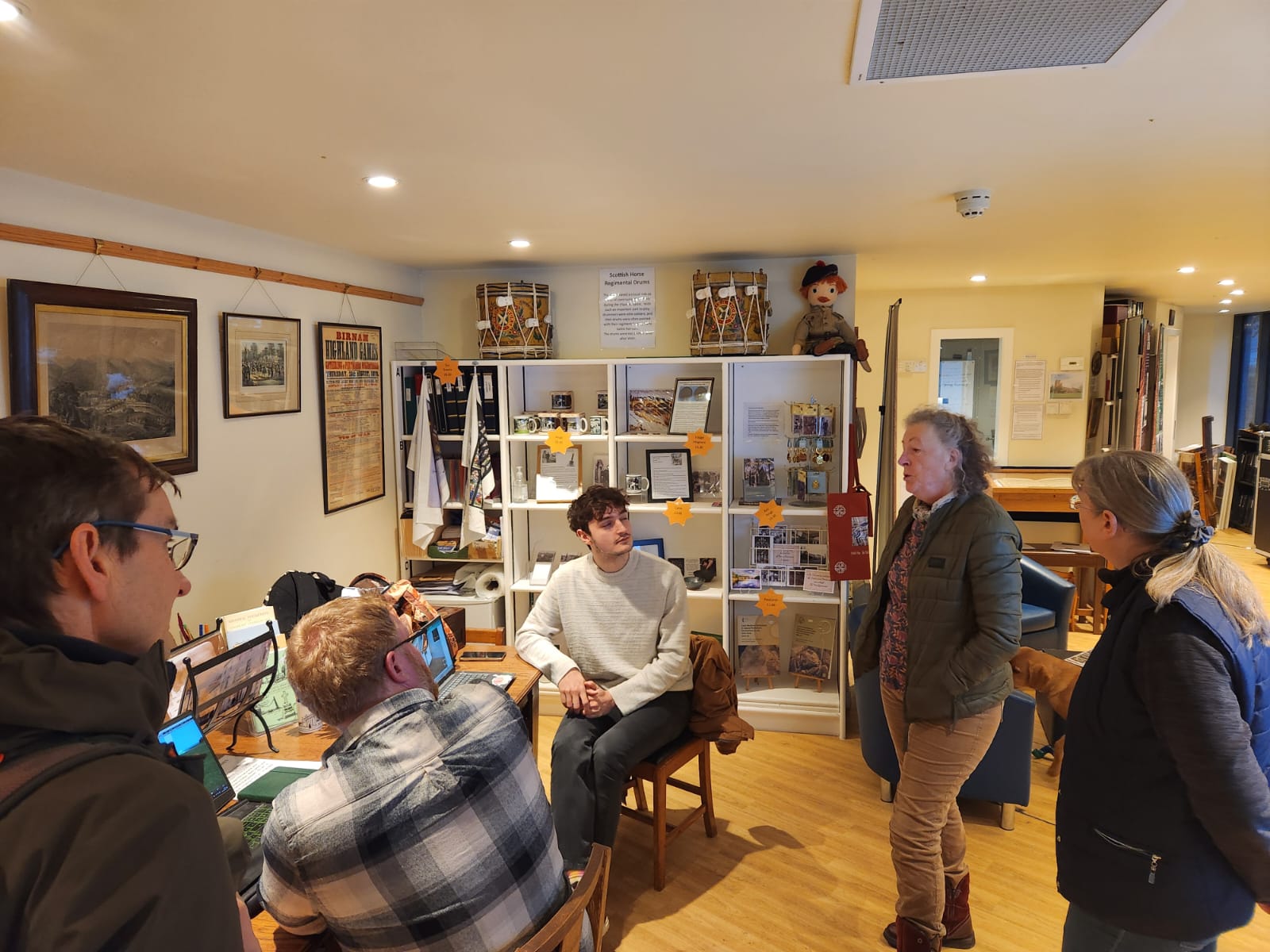
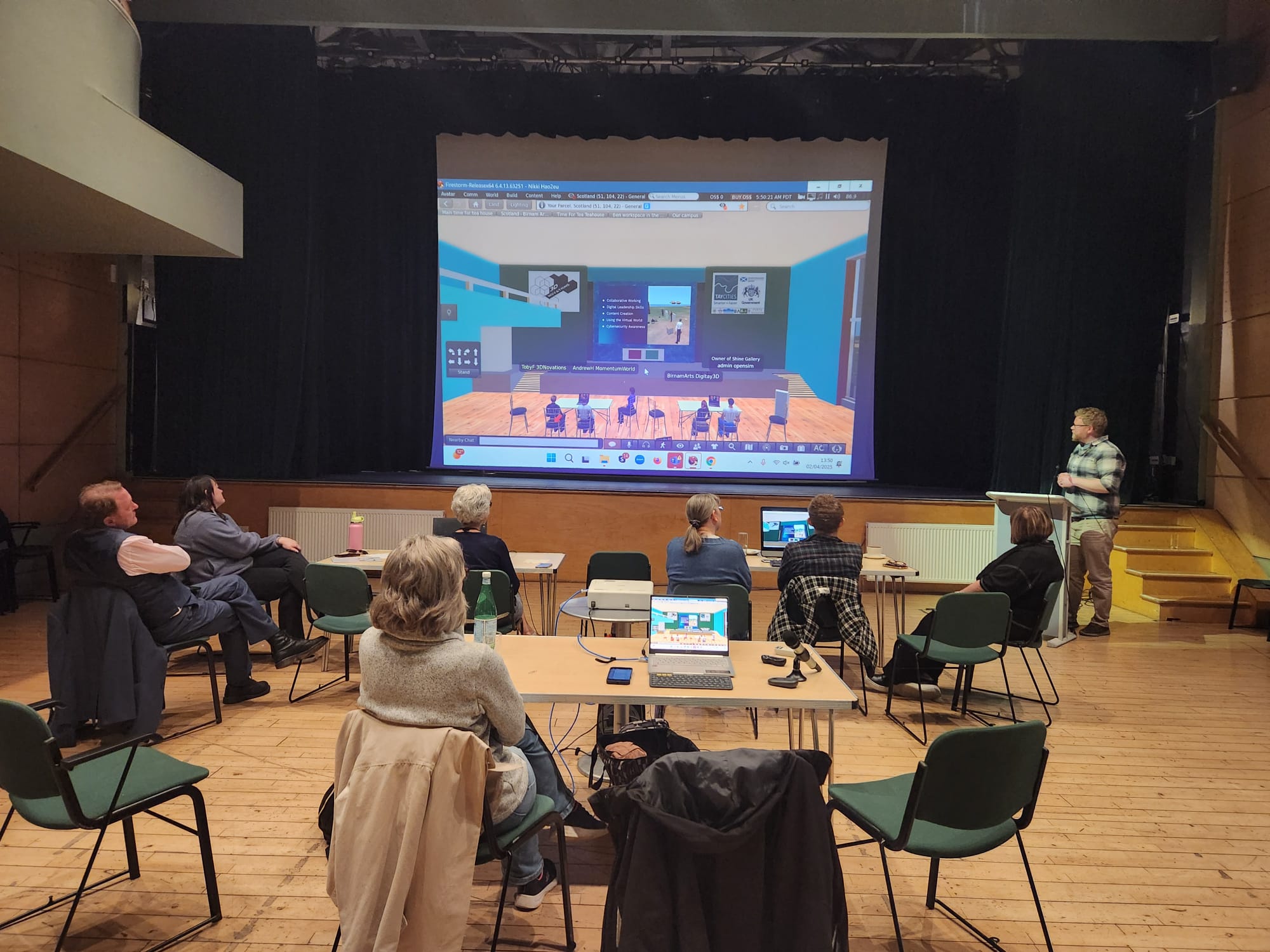
Digitay3D included four public showcase events where learners could demonstrate their work and local organisations could explore the technology.
These events created points of contact between learners, partner organisations and the wider community.
They also gave participants experience of explaining technical work to people who were not necessarily specialists.
The programme began onboarding its first learners in 2024 and continued through successive community events, partner training sessions and evaluation activities before concluding with a dissemination event on 2 April 2025.
Supporting different routes through learning
One of the lessons from Digitay3D was that an inclusive digital skills programme cannot assume every learner will participate in the same way.
Participants had different levels of technical confidence, work commitments, equipment, connectivity and previous experience.
The project therefore used flexible learning options, mentoring and partner networks to support engagement. Accessible recruitment materials and outreach through autism organisations and community partners were also used to reach potential learners.
The project found that individual tutoring was particularly useful, and participant feedback resulted in additional time being allocated to this form of support.
This experience subsequently informed thinking about how future digital skills programmes could balance structured learning with personalised support.
Progression beyond the programme
By the end of Phase 1 there were already examples of learners applying their experience beyond the project.
The final report records that some participants had moved into new roles or taken on additional digital responsibilities within existing employment, while others were considering or pursuing further IT education.
One learner secured paid work after impressing staff and volunteers during in person sessions. The same learner had used 3D modelling tools for planning and visualisation while carrying out modifications and repairs to a car.
Another learner progressed to a college course.
A learner also described using skills gained through the project to create a railway yard and a digital model connected with their own car project, alongside gaining experience of digital leadership and distributed team working.
These examples demonstrate the value of allowing participants to connect technical learning with subjects and projects that interested them personally.
Benefits for partner organisations
Digitay3D was designed to develop capacity within partner organisations as well as among individual learners.
Staff participated in training and explored how technologies such as virtual environments and digital twins could be applied within their own services.
The resulting digital models also generated discussions about possible future joint projects and ways in which digital products developed during the programme could support additional activity or funding.
This created a multiplier effect.
Skills and ideas developed during Digitay3D did not remain solely with individual participants. Partner staff could take knowledge back into their organisations and consider how it might be applied in other contexts.
What Phase 1 demonstrated
Digitay3D showed that immersive and collaborative technology could form part of an accessible digital skills programme involving learners, third sector organisations and local communities.
The project delivered training to 25 participants, created practical work experience opportunities, produced digital twin outputs for local organisations and held four community showcases.
It also generated evidence about the additional support some learners need when engaging with advanced digital skills.
Most importantly, the programme demonstrated that participants could move beyond passive training and use new skills to create digital outputs, contribute to collaborative projects and develop portfolio material.
The final report concluded that the pilot had created a model that could be continued, adapted and expanded through future cohorts and partnerships.
From pilot to further delivery
Phase 1 was intended to test the Digitay3D approach.
Its completion provided the experience, infrastructure and evidence needed to develop the programme further.
Following the first project, 3DNovations was invited back for a second funded round, allowing the learning from the pilot to be developed into a more structured data visualisation programme with formal learning pathways, assessment and independent accessibility review.
That second project is covered separately in our Digitay Round 2 case study.
You can read our final report here: https://www.3dnovations.co.uk/pdf/DigitayReport_Full-1.pdf
This project was funded by Fife Council on behalf of the Tay Cities Region Deal Digital Skills Project Third Sector Challenge Fund, with support from both the UK and Scottish Governments.