
Using collaborative 3D environments to support employment, confidence and social inclusion
3DNovations has a long history of developing inclusive digital approaches to skills, employment and social participation.
In a series of programmes delivered with public sector and third sector partners, collaborative 3D environments were used to help autistic young people and people with additional support needs develop vocational, communication and independent living skills.
The work was independently documented by the European Commission Joint Research Centre as part of its research into ICT enabled social innovation and integrated social services across Europe.
https://publications.jrc.ec.europa.eu/repository/handle/JRC97467
The challenge
For some autistic people, conventional employment support can itself create barriers.
Busy physical environments, unfamiliar social situations, communication expectations and anxiety around new experiences can make it difficult to engage with traditional training and employment services.
The aim of the 3DNovations approach was to provide a more accessible environment in which participants could practise skills, communicate with other people and experience realistic workplace and community scenarios before making the transition into employment, volunteering or further education.
The European Commission case study noted that the approach helped public employment services reach a group that could otherwise be difficult to engage through conventional provision.
The approach
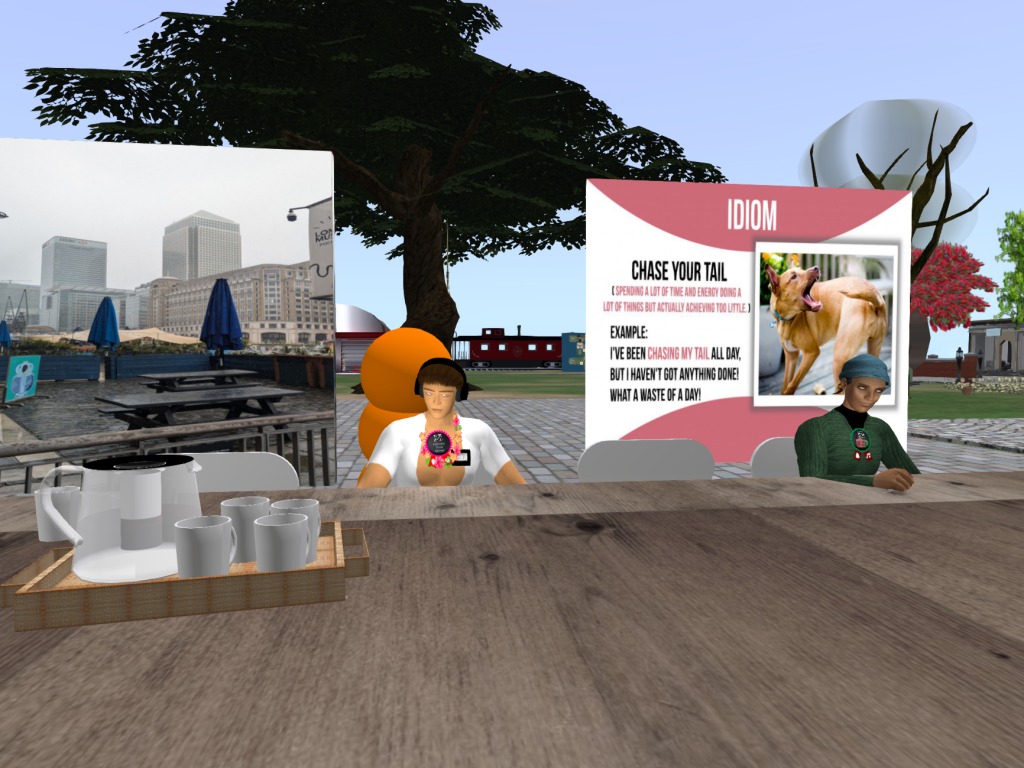
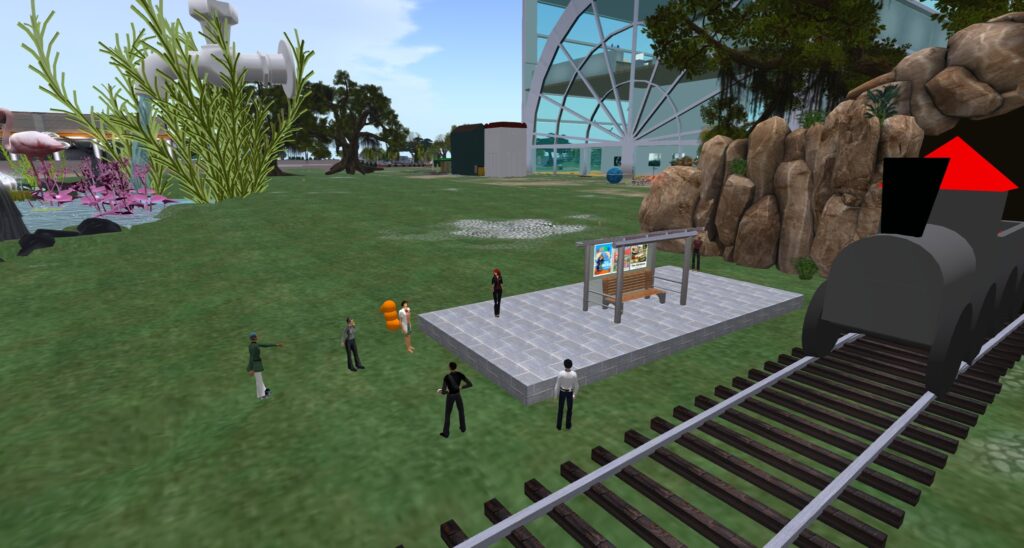
Participants entered collaborative virtual environments representing places such as offices, campuses, shops, clinics and other community settings.
Rather than simply watching training material, learners participated through avatars and worked together within simulated situations.
The environments were used to develop both practical and interpersonal skills, including communication, confidence, IT skills, employability and the ability to navigate situations encountered in everyday life and work.
Communication could take place through voice or text, providing different ways for participants to engage according to their individual communication preferences.
Training was supported by specialist learning supervisors and assessors, with personalised and scenario based activities used to maintain engagement.
Working with public services
The work developed through collaboration with public employment services and other organisations.
This included Journey to Employment, delivered with Swindon Jobcentre Plus and funded by the Department for Work and Pensions.
A separate programme with Winchester Jobcentre Plus supported people receiving Employment and Support Allowance.
3DNovations also developed the Connect Up pilot with Pure Innovations and Balance Enabling Independence. This created a virtual space through which autistic jobseekers could receive peer support and mentoring from people with relevant experience.
Measurable social impact
The programmes produced significant employment and inclusion outcomes.
Across the training activity examined by the European Commission researchers:
100% course completion was reported.
40% of participants moved into employment or self employment after completing training.
20% moved into volunteering.
Improvements were also recorded in areas including confidence, communication, IT skills, social interaction and relationships with peers.
Longer term results were particularly encouraging.
By the time the European Commission case study was compiled in 2015, 90% of learners from a 2011 Croydon programme were in paid employment, with two participants having established their own businesses.
Former participants had progressed into roles including software testing, local authority finance, college technical support and radio broadcasting.
Working with Jobcentre Plus
The Winchester Jobcentre Plus programme reported 40% work related outcomes among participants receiving Employment and Support Allowance.
The European Commission report contrasted this with a national Work Programme figure of 10.2% at the time.
In Swindon, the first Journey to Employment cohort had already achieved 20% employment outcomes by week 11 of the 12 week programme.
Recognition by the European Commission
3DNovations was one of 140 ICT enabled social innovation initiatives mapped during the European Commission Joint Research Centre’s 2015 IESI research programme, which examined how digital innovation could support social investment and the delivery of social services across Europe.
https://publications.jrc.ec.europa.eu/repository/handle/JRC101042
The assessment identified the 3DNovations approach as a strong example of ICT enabled social innovation.
It particularly highlighted the combination of technology, personalised learning, collaboration between public, private and third sector organisations, and involvement of service users in the development and evaluation of services.
Lasting relevance
Although the technology has developed considerably since these programmes were delivered, the principles behind the work remain central to 3DNovations’ approach.
Digital technology is most useful when it responds to the needs of the people using it.
Accessible design should be considered from the beginning rather than added afterwards.
People affected by a service should have a meaningful role in shaping it.
And successful digital innovation depends as much on collaboration between technology providers, public services, researchers and communities as it does on the technology itself.
These principles continue to inform 3DNovations’ work in immersive technology, digital learning, accessibility, research and collaborative innovation.
Historical note
This work predates the incorporation of the present 3DNovations Limited in Scotland in 2020. The programmes were delivered by Hao2.eu under the 3DNovations brand and form part of the experience and development history on which the present company is built. The European Commission source itself describes 3DNovations as the brand under which Hao2 delivered the initiative.